Renting Credibility: The Unvarnished Budget Behind a UK Rights Fair Stand

Photo: מקף־עברי, CC0, via Wikimedia Commons
A rights fair stand is a public argument about a publisher's seriousness. The invoice is a private one. In 2026, as UK rights teams prepare their calendars around London Book Fair and Bologna Children's Book Fair, the cost of making that argument has become a line item that demands its own defence. The stand may look like a temporary office; financially, it behaves like a small imprint launch.
The floor plan as a financial document
Space at London Book Fair's Olympia home is sold by the square metre, and the rate is only the beginning. For a mid-hall position in 2026, a UK publisher might budget between £350 and £450 per square metre before VAT. A 24-square-metre stand therefore starts at roughly £8,400 and can reach £10,800 before a single wall has been built. Corner positions carry a premium; island sites carry a larger one. Bologna operates in euros and with its own hall hierarchy, but the principle is identical: the address is the first hidden cost. A stand near the main entrance is not merely visible; it is priced as a statement.
The build, the badge and the baggage
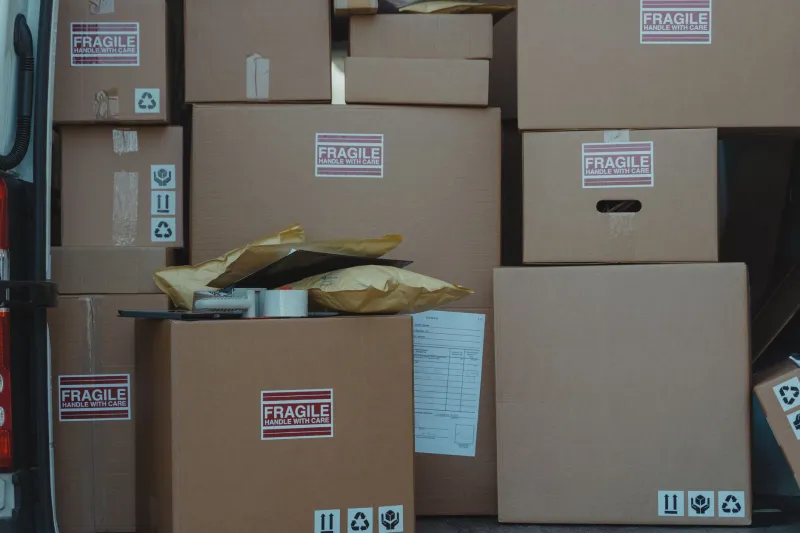
A shell scheme is the modest option, but many publishers treat the fair as a branding exercise and commission a custom build. Design fees alone can sit between £8,000 and £20,000. Construction, graphics, furniture, lighting and audiovisual kit can add £15,000 to £40,000. Then come the costs that rarely appear in the pitch deck: freight to and from the venue, drayage, electrical connections, insurance, carpet, storage and waste removal. A stand that looks restrained on the floor can easily cost more than the space it occupies.
The badge is a small item with a large implication. Every exhibitor pass represents a member of staff who is not at their desk. That opportunity cost belongs in the budget even if it never appears on an invoice.
People are the largest line item
Four staff on a modest stand is not unusual: a rights director, a rights manager, an editorial lead and a sales contact. Flights, hotels and per diems for a three-day London fair can reach £12,000 to £18,000 once fair-week hotel rates are applied. Bologna adds another currency and another set of travel costs. Overtime, client dinners and the editing work that slips while the team is away are harder to quantify but no less real. The true cost of a stand is what the people standing on it are not doing at their desks.
Hospitality and the calculus of the canapé
Rights fairs run on meetings, and meetings run on coffee, lunches and the occasional evening reception. A publisher does not need a lavish party to be taken seriously, but it does need to be present. Budgets for hospitality vary widely: £2,000 for coffees and sandwiches at the lower end, £8,000 or more for a drinks reception or a small dinner. The canapé is a lubricant, not a strategy. Its financial justification is that it keeps conversations going long enough to become contracts.
The deals that never materialise
This is where the arithmetic becomes uncomfortable. A well-organised rights team might book 30 meetings across a fair. Of those, perhaps five become serious negotiations and one or two are signed within the following year. An advance of £5,000 to £25,000 per deal is possible for a mid-list title, but the first fair often costs more than it earns. The pipeline is the point, not the immediate return. A stand that produces two modest deals and a dozen warm contacts may be judged a success internally, even as the finance director notes that the booth did not pay for itself in the current financial year.
What the stand is actually for
The industry knows this arithmetic. It keeps spending because the alternative, absence, is read as retreat. A publisher without a stand at London or Bologna is not simply saving money; it is sending a signal to agents, scouts and foreign editors that it is not actively buying or selling. For smaller presses, a shared stand or a table in a collective area can preserve the signal at a fraction of the cost. For larger houses, the stand is part of the annual marketing budget, judged alongside catalogues and author tours rather than in isolation.
The stand is a statement, but the statement is about presence, not profit. In 2026, the sensible approach is to cost the booth honestly: space, build, people, hospitality and the deals that may never arrive. A modest stand can still feel like a flagship launch if the budget is understood before the first crate is shipped. The stand may be the statement, but the spreadsheet is the story.