Early Attention, Late Invoices: Auditing the UK Proof Mailout in 2026
In UK publishing, the uncorrected proof remains a curious artefact: a book that is not yet a book, sent to readers whose attention is the scarcest currency in the trade. The PDF costs nothing to duplicate. The circuit that carries it to a doorstep does not. What follows is a close audit of one mid-list literary title’s 2026 proof campaign — a composite, but one built from line items UK publishers now recognise.
From PDF to Print: The Proof Run
An advance reading copy usually begins as a finished PDF and a print specification. For a 320-page paperback novel, a run of 500 copies is common: enough for booksellers, media, influencers and rights contacts, with a small reserve. At a unit cost of £2.40 — four-colour cover, plain text block, uncoated stock — the print bill is £1,200. Origination, file correction and a short proofreading pass add £450. A modest total: £1,650 before a single envelope is filled. For the title in question, 60 copies were held back for late requests and file copies. The remaining 440 entered the mailout.
The Box as Brand
The proof box has become its own genre. A printed mailer, tissue, a belly band and a short letter can cost £1.50 to £4.00 per unit; for 500, that is £750 to £2,000. Add £400 for design. None of this is strictly necessary. But in a trade where discovery is noisy, the physical unboxing is a signal: this title has been thought about. The cost is not the box itself; it is the expectation the box creates. A plain jiffy bag says one thing to a bookseller; a designed mailer says another. Neither guarantees a read.
The Mailout: Lists, Couriers and Doorsteps
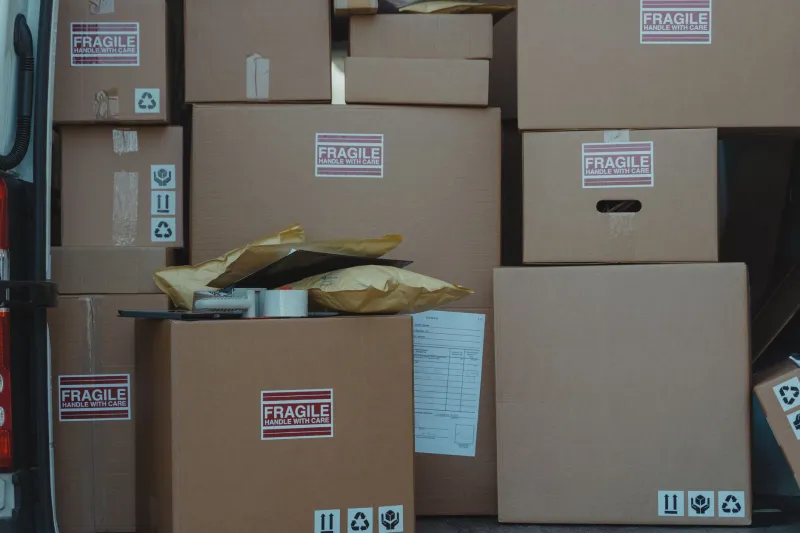
Postage is where the arithmetic sharpens. Royal Mail Tracked 48 for a parcel of proof weight runs £3.50 to £5.00; a courier for hand delivery £8 to £15. Assume 400 UK parcels at £4.20 — £1,680 — and 40 international at £12, or £480. A fulfilment house charges around £1.50 per pack to label, insert and dispatch: £660. Data cleaning, address checks and follow-up emails absorb perhaps two days of a publicist’s time, or £700 at a loaded rate. The list is never as clean as it looks. Of the 440 dispatched, 18 were returned undeliverable and 11 were never acknowledged.
Bookseller Drops and Influencer Mailings
Hand delivery to London indie bookshops can cost £150 to £300 a day in courier or staff time. Influencer mailings are cheaper per unit but often require tracked, signed-for service and a gifting budget. A mailing to 100 bookish creators at £6 postage plus £2.40 product is £840; if 15 post about the book, the cost per post is £56. That may still compare well with paid social, but only if the posts are genuine and the audience matches. For the title under review, 27 proofs generated a direct response — a review, a bookseller order, a social post or a request for a call. That is a 6 per cent response rate across the full run.
What the Numbers Say
Add it up: print £1,650; boxes and design £1,900; postage £2,160; fulfilment £660; staff £700. Total: £7,070 for 500 proofs, or £14.14 per copy before any marketing spend. If one in five proofs generates a measurable mention, the cost per engaged reader is £70.70. If one in ten, £141.40. The variable that matters is not the unit cost of the proof; it is the conversion rate of the list. A smaller, better-targeted mailing of 200 copies can cost less per engaged reader even at a higher unit cost, because waste is removed from the system.
The Case for Fewer, Better Proofs
In 2026, the tools for targeting have improved. Pre-order data, bookseller feedback and CRM records can identify the 100 readers most likely to move a title. Some publishers now print a smaller physical run and use digital proofs for the long tail, with print-on-demand for late requests. Others keep the full mailout because booksellers still read physical proofs and because absence from a doorstep can be read as absence of ambition. The question is not whether the proof economy earns its keep. It is whether the circuit is designed around evidence, or around habit. The proof is still a promise. The invoice arrives later.