Canapés and Cost Control: The Real Arithmetic of the UK Publication Day Party
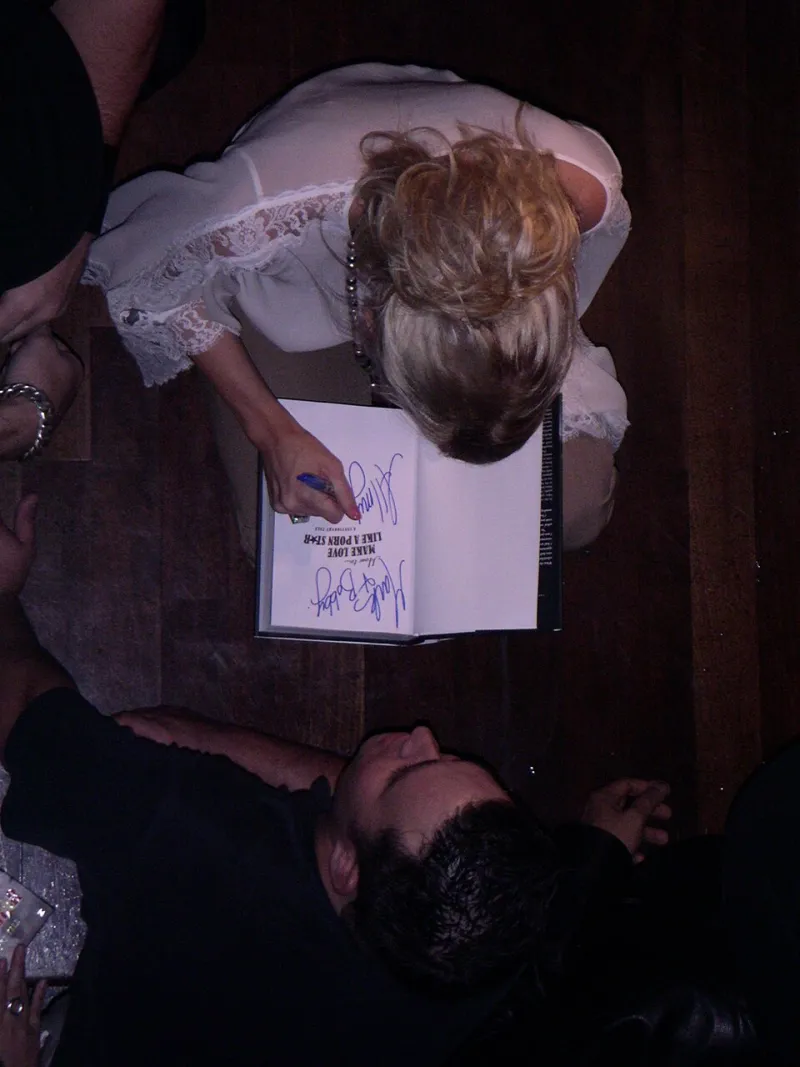
Photo: Jens karlsson, CC BY 2.0, via Wikimedia Commons
The publication-day party occupies an awkward position in the UK publishing calendar. It is simultaneously a celebration, a trade ritual and a marketing line item, and in 2026 it is being audited with a rigour that would have seemed excessive a decade ago. As publicity budgets migrate towards digital content, paid social and influencer seeding, the question facing many imprints is not whether to hold an event, but what the event is for — and what it should cost.
The ritual and the receipt
A launch party is rarely a single invoice. It is a cluster of decisions made across several departments, often over several months, and the final cost is assembled from venue hire, catering, drinks, staffing, photography, travel, printing and the less visible expense of internal time. For a mid-list literary title, a modest gathering in a London bookshop may be budgeted at £3,000 to £5,000. For a lead title with a national publicity push, a £15,000 event is not unusual, and the upper range can climb further when a venue is chosen for its visual value rather than its convenience.
The unglamorous line items are the ones that most often surprise newly appointed marketing managers. Glassware surcharges, cloakroom attendants, licensing for recorded music, event insurance and accessibility provisions — such as British Sign Language interpretation or a live captioner — are rarely mentioned in the initial venue quote. Nor is the cost of staff time: editors, publicists and sales representatives attending an evening event are not billing the title directly, but their hours are a real resource.
What £3,000 buys
At the lower end, a £3,000 budget typically covers a room in an independent bookshop or a pub function space, a drinks reception with beer, wine and soft drinks, and a modest selection of canapés or bowls of crisps. Invitations are digital, photography is handled by a member of staff or a freelance photographer on a short half-day rate, and the author travels by train within the UK. The event is likely to be regional, or held in London on a weekday evening with a guest list drawn from booksellers, reviewers and a handful of close contacts.
The commercial logic here is relationship maintenance rather than direct sales. Independent booksellers appreciate a convivial evening, and the event may generate a handful of pre-orders or a display commitment. But no one in the room is under the illusion that the party will repay its cost through copies sold on the night.
What £15,000 buys
A £15,000 budget buys scale, production value and a longer tail of content. The venue may be a private members' club, a gallery or a hired restaurant room with a dedicated events team. Catering moves from crisps to a structured canapé menu, with vegetarian, vegan and allergen-specific options clearly labelled. Drinks include a signature cocktail or a branded serve, and there is often a photographer and a videographer capturing material for social channels, retailer newsletters and the author's own platforms.
The larger budget also covers author travel — sometimes international — accommodation, hair and make-up, and a car service. Guest lists expand to include press, influencers, rights partners and international editors. Printed invitations, branded tote bags or proof copies, and a small gift for attendees may be included. The event is designed to produce assets: photographs, short-form video, quotes for future pitches and a sense of occasion that can be extended across the title's publicity window.
Does the party sell books?
The honest answer is that the party itself rarely sells many copies. Books sold on the night are usually modest, and the administrative cost of processing them — often through a local bookseller on a sale-or-return basis — can absorb much of the margin. The value lies elsewhere: in bookseller goodwill, in press coverage, in the author's morale and in the content generated for the weeks that follow.
That does not mean the spend is irrational. A well-attended launch can produce a photograph that runs in a trade magazine, a quote that anchors a podcast interview and a room full of people who are more likely to hand-sell the book in their shops. But the causal chain is long and difficult to measure, which is precisely why finance directors now ask for a clearer articulation of purpose before signing off the larger budgets.
The shift to digital publicity
The pandemic accelerated a change that was already under way: the rise of the virtual launch. In 2026, many imprints run a hybrid model, with a small in-person gathering supplemented by an online event or a series of short videos. This reduces venue and catering costs, broadens reach beyond London and creates assets that can be reused. But it also places greater demands on the author, who may be asked to perform for camera as well as for the room.
For some categories — academic, specialist non-fiction, business — the online launch has largely replaced the physical event. For literary fiction and celebrity memoir, the room still matters, because the room is where the photograph happens. The calculation is not simply cost per attendee but cost per usable asset, and that is a harder number to pin down.
The budget as a statement of intent
The publication-day party is a useful window into how an imprint understands its own priorities. A £3,000 event signals a focus on trade relationships and local bookselling; a £15,000 event signals a belief in the title's wider cultural visibility. Neither is inherently correct, and both can be wasteful if the purpose is unclear.
What has changed in 2026 is the expectation of justification. Launch budgets are now scrutinised alongside advertising spend, and the question is not whether the party is enjoyable — it usually is — but whether it earns its place in a marketing plan that is increasingly measured, iterative and digital. The canapés may still be passed around, but the ledger is never far away.